Welcome to our NUT BOLT Company!
We'are Open: Mon - Sat 8:00 - 18:00
.png)
Blog Detail
- Industrial
- Oct 23, 2021
- 340 Views
- 5 Comments
Material Selection and Metallurgy in Self-Drilling Screw Manufacturing
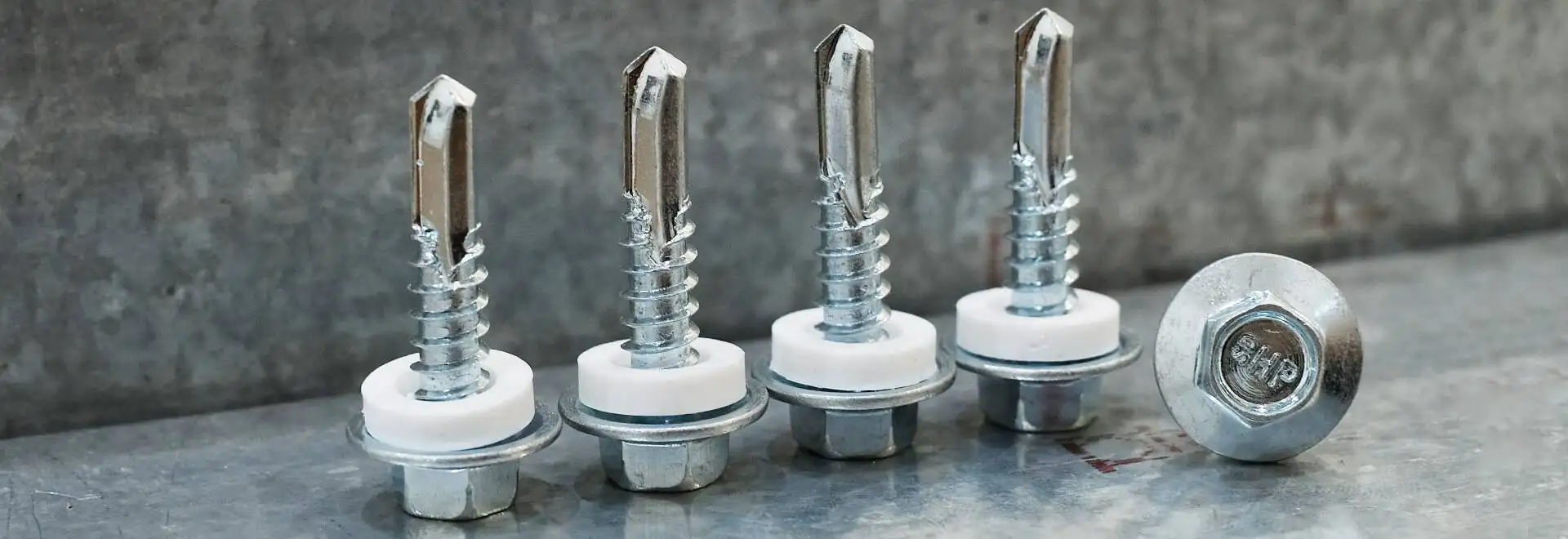
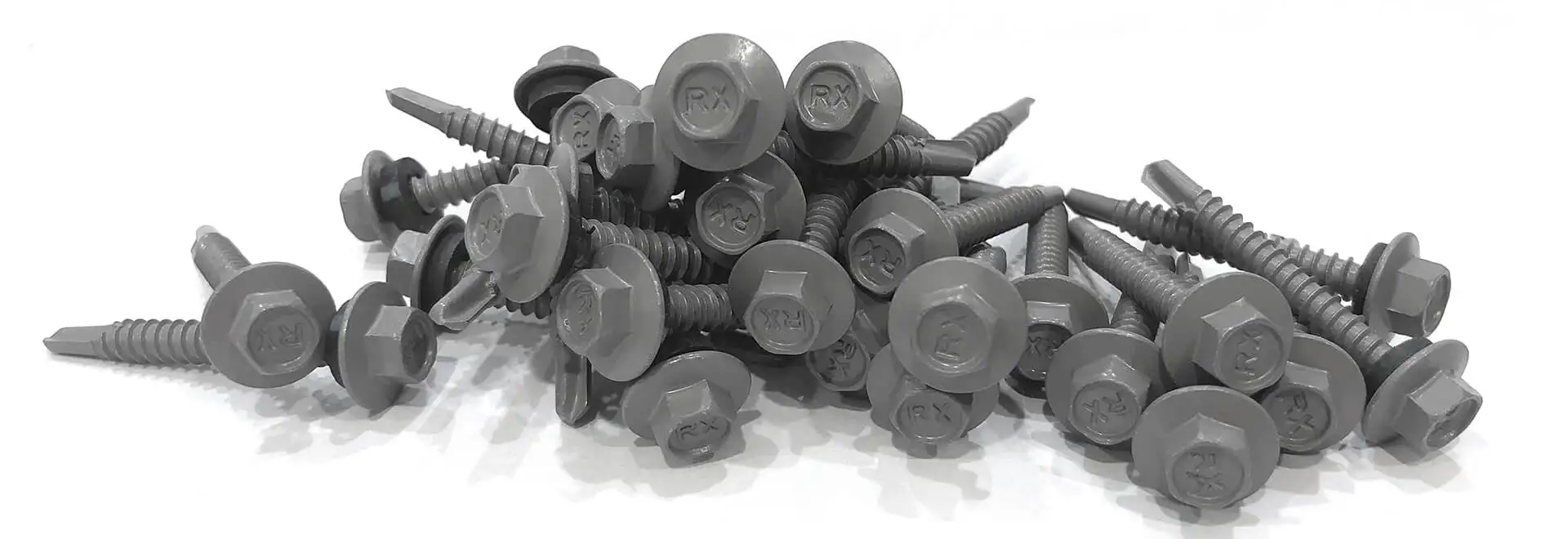
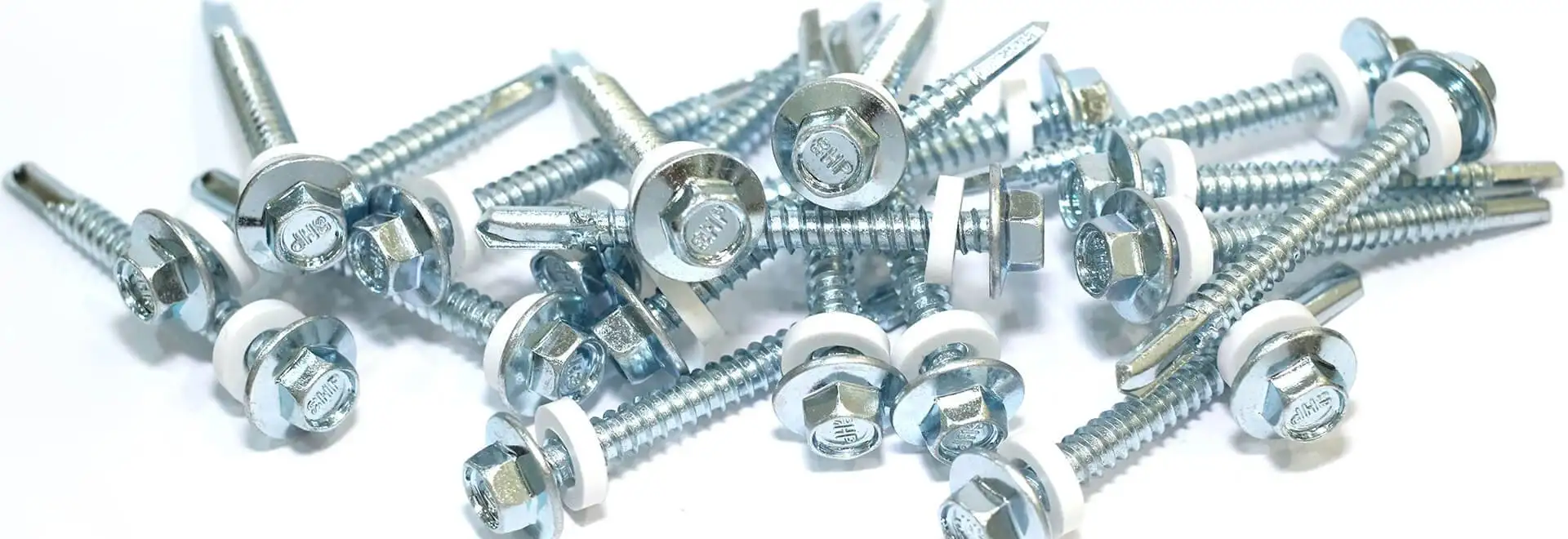
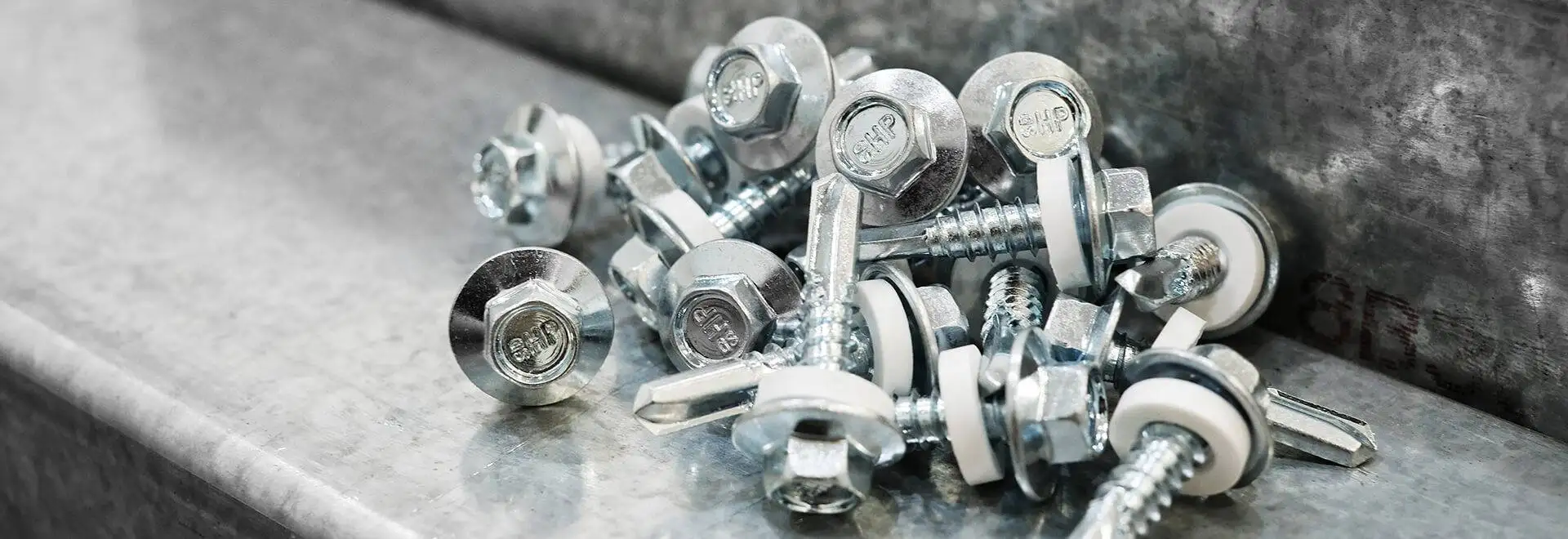
Self-drilling screws have become essential fasteners in the construction and assembly industries, simplifying projects and assuring reliable connections. Despite their plain exterior, they function exceptionally well, thanks to a complex interplay between metallurgy and material choice that serves as the foundation of their design. In this article, we take a fascinating journey inside the self-drilling screw production process, where the science of material selection and metallurgy serves as the basis for excellent product design. Join us as we reveal the techniques that these unassuming screws use to overcome obstacles, withstand adverse circumstances, and make strong, durable connections. Experimental Testing Methods Experimental testing techniques are crucial in the manufacturing of self-drilling screws in Hyderabad to evaluate how well these fasteners operate in actual applications. Engineers and scientists put prototype screws through physical testing to assess their mechanical qualities, strength, and durability. In these tests, the screws are put under a variety of loads, including tension, compression, and shear pressures, and their responses are tracked in terms of deformation, stress distribution, and failure mechanisms. Crucial information is gathered through experimental testing, influencing the material selection and metallurgical choices to make sure the screws match the necessary performance standards.
Lorem ipsum dolor sit amet, consectetur adipiscing elit, sed do eiusmod tempor incididunt ut labore et dolore magna aliqua. Quis ipsum suspendisse ultrices gravida. Risus commodo viverra maecenas accumsan lacus vel facilisis. Robert Jhon
Numerical Modeling Techniques
During the design and development stage, numerical modeling approaches offer a useful toolkit for enhancing self-drilling screw performance. It is common practice to simulate the behavior of screws under various loading conditions using finite element analysis (FEA). The screw can be discretized into small elements and modeled virtually to use FEA to forecast stress concentrations, deformation patterns, and potential failure modes. Engineers can experiment with various material compositions and metallurgical treatments using numerical models, which makes it easier to find the best mix for boosting screw strength and dependability.
Analytical Modeling Approaches
Comments (02)